 English
 Arabic
 Chinese (Traditional)
 Khmer
Khmer Korean
 Punjabi
 Russian
 Somali
 Spanish
 Vietnamese
For students preparing for life after college, classroom learning is only part of the picture. Gaining hands-on experience, building professional skills, and understanding how learning connects to real careers can make all the difference.
That is exactly what the Community Center for Education Results (CCER) set out to do when it launched its Data and Research Fellowship Program in 2024. The practicum-based fellowship offers students the chance to apply research skills in real-world settings while contributing to work that supports education equity across South King County.
“The fellowship is rooted with the intention that those closest to community challenges should be equipped and empowered to shape the solutions,” CCER shared.
Turning Learning into Practice
The fellowship recruits and trains up to four fellows each year from communities of color within the Road Map Project region. Fellows commit approximately 15 to 20 hours per month over a nine-month period, beginning in September. During that time, they participate in cohort learning sessions, complete individualized research projects, and present their work at a final graduation.
Rather than focusing only on theory, fellows work directly on active CCER projects, including research studies, program evaluations, focus groups, and student interviews. These projects help inform decision-making among educators, policymakers, and community partners.
For Nani Galoro, a Data and Research Fellow and social work student at the University of Washington, the opportunity to engage in applied research was a major draw.
“Previously, my research experience was mostly limited to class projects, but at CCER, I am engaged in real-world, applied research that has meaningful impact,” Galoro shared.
She described a typical week as a mix of individual and team-based projects, supported by regular check-ins and in-person meetings. “These meetings helped me learn more about the organization’s work while also giving me a strong sense of belonging,” she said.
Centering Student Voice Through Hands-On Work
Many fellows highlighted the Voice of the People, or VoxPop, project as a powerful example of hands-on learning. The project involves visiting college campuses across the Road Map region to interview students about their educational experiences and pathways.
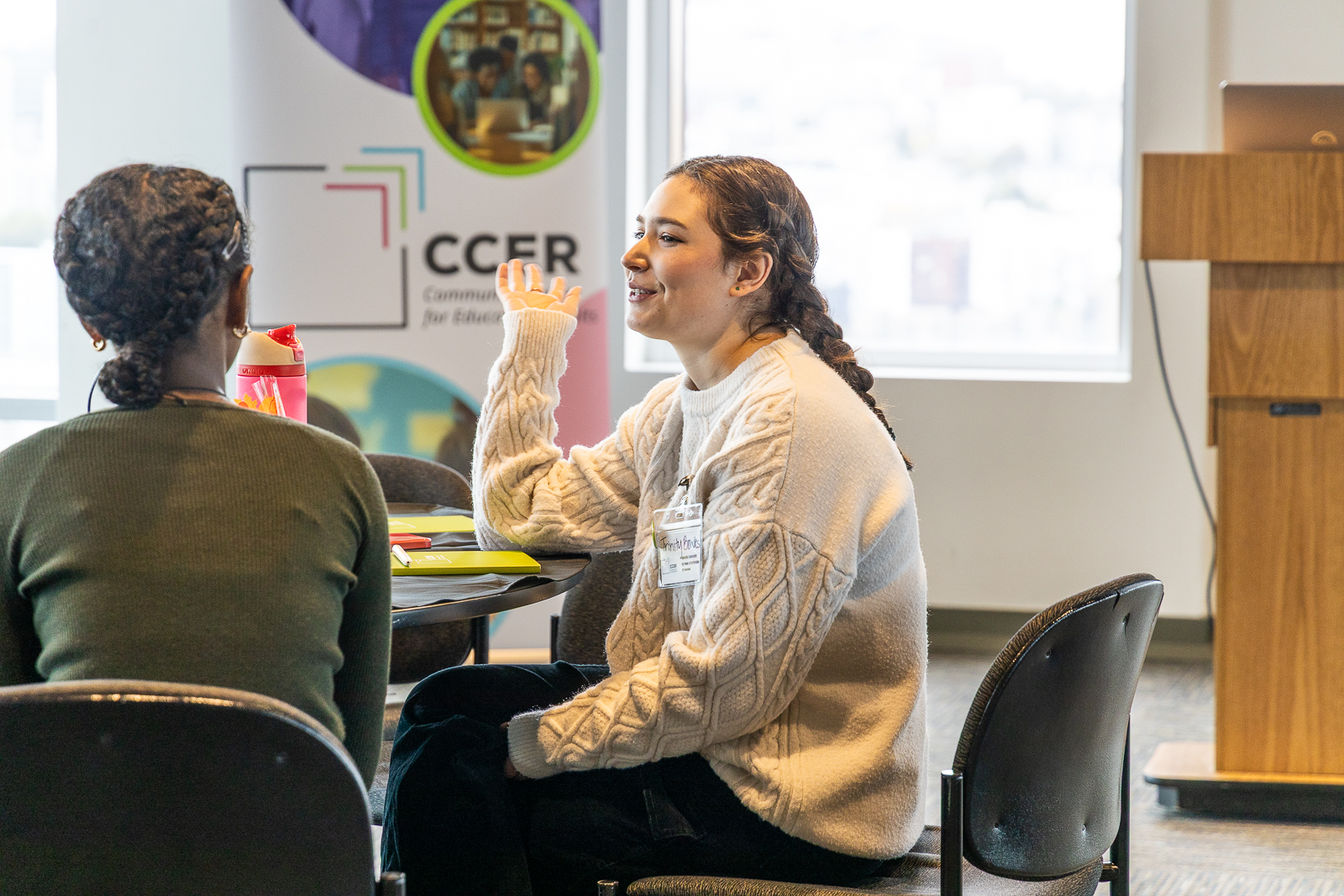 Trinity Bowles, a Research and Data Fellow and senior social work student at the University of Washington, explained why this kind of work matters.
“One of the biggest issues that social workers hear about especially in policy work is that the policy seems disconnected from the real-world realities that people are actively working against in education especially with students of color,” Bowles said. “What I loved about this program is that the students that we work with and the research we gain and develop is directly for the benefit of the students who are right now being interviewed or offering up their own knowledge.”
Bowles shared that her work spans research, outreach, and collaboration across the organization. “I work closely with the Executive Director LaEisha Howard working to secure future grants and also various tasks in our admin department,” she said, while also supporting the Running Start research project and leading VoxPop interviews.
Building Confidence and Career-Ready Skills
Through focus groups, interviews, data coding, and collaborative research, fellows build skills they can carry into future careers.
Kaley Duong, a CCER fellow, reflected on stepping into new areas of learning. “I strengthened my facilitation and interviewing skills. I also learned a lot about data and research through a liberatory framework, such as epistemology maps and qualitative coding which led me out of my comfort zone.”
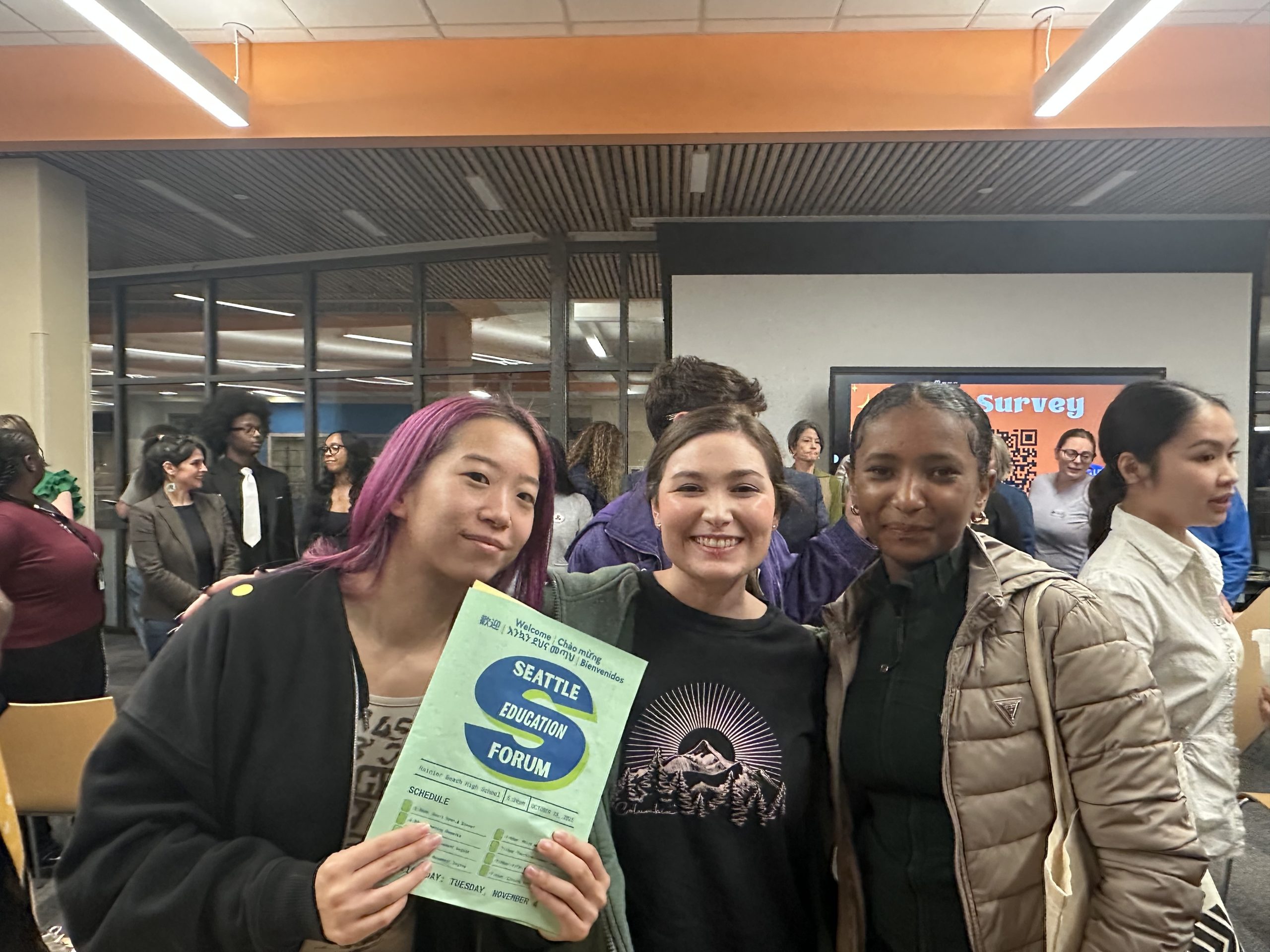
That confidence shift became clear when Kaley reflected on growth through the fellowship. “I think this experience made me more confident in knowing that anyone can be a researcher,” she shared.
Jasmin Rubalcava-Duran, an Integrative Practice and Policy Fellow and master’s student in social work at the University of Washington, connected her hands-on learning directly to her own background.
“As a first-generation Latinx college student, I saw CCER working to improve the education system and resources for students like me,” she said. “Through my educational journey I have had to figure things out on my own and search for resources to support my studies.”
Rubalcava-Duran has led focus groups, coded transcripts, tracked legislation, and collaborated with community organizations. Reflecting on the experience, she shared, “This experience has strengthened my passions of advocating for BIPOC students, especially from low-income backgrounds within south King County.”
Learning That Shapes the Future
CCER hopes fellows leave the program prepared to apply their skills in future careers across education, policy, research, and community work. As the organization shared, “We hope the fellows will take the knowledge and skills they learned and continue to put them in practice in whatever settings they go onto, ultimately centering community and student voice.”
For students considering a similar opportunity, Bowles offered this advice: “Follow your intuition and trust in yourself. Give yourself the credit you are due. You have expertise, and the right people will value them and see you for all that you have to give.”
By combining mentorship, applied learning, and meaningful projects, CCER’s Data and Research Fellowship shows how hands-on experiences can help students connect their education to real-world impact and future career pathways.