 English
 Arabic
 Chinese (Traditional)
 Khmer
Khmer Korean
 Punjabi
 Russian
 Somali
 Spanish
 Vietnamese
Below is our interview with Washington’s Secondary Principal of the Year Dr. Brent Osborn. Thanks to our friends at AWSP for helping us bring this Q&A to life!
Introduction
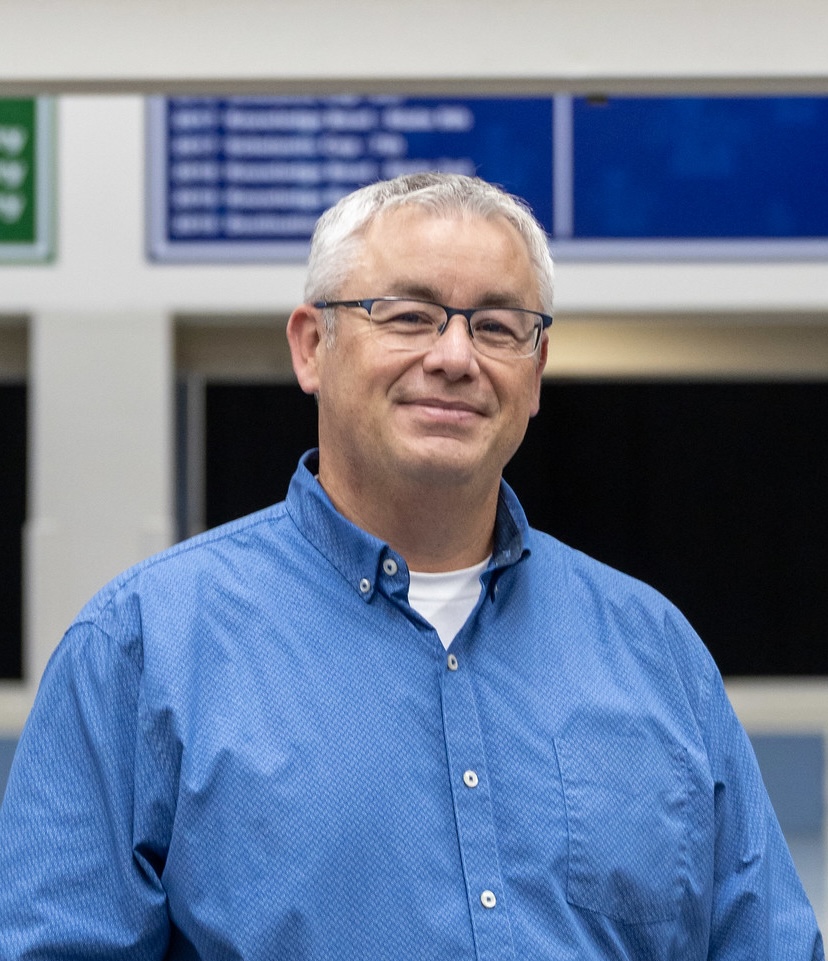 To start, can you introduce yourself and share a little about Lakeside High School and the community it serves?
My name is Dr. Brent Osborn, and I have had the privilege of serving as the principal at Lakeside High School since 2011. Before coming to Lakeside, I spent three years as an assistant principal at Rogers High School in Spokane, and prior to that I was a science teacher at North Central High School. My career has really allowed me to see education from several perspectives, from the classroom to school leadership, and each step has shaped how I approach supporting students and staff.
In many ways, I’m a bit of a unicorn in the principal world. It’s not very common for principals to stay in one place for this long, and honestly not many people stay in the principalship itself for extended periods because the work can be demanding. I’ve been incredibly fortunate to spend the past 14 years at Lakeside, and a big reason for that longevity is the people I get to work with every day. I truly believe we have the best staff in the state. At this point in my career, there are only about four teachers in the building that I didn’t personally hire, which has allowed us to build a team that shares a common vision and commitment to students.
Lakeside High School serves about 500 students in Nine Mile Falls, a small town just outside of Spokane, Washington. It’s a tight-knit community that truly loves and supports its school. That connection between the school and community is one of the things that makes Lakeside such a special place. For me, it’s also very personal. This year, my youngest children, twins, will graduate from Lakeside High School. Because I have been here so long, my family has grown up connected to this community, and it has been incredibly meaningful to serve as principal in a place that has also been home for my own kids.
Leadership & Longevity
You’ve served as principal at Lakeside High School for 14 years. How has staying in the same school community shaped your leadership and the culture of the school?
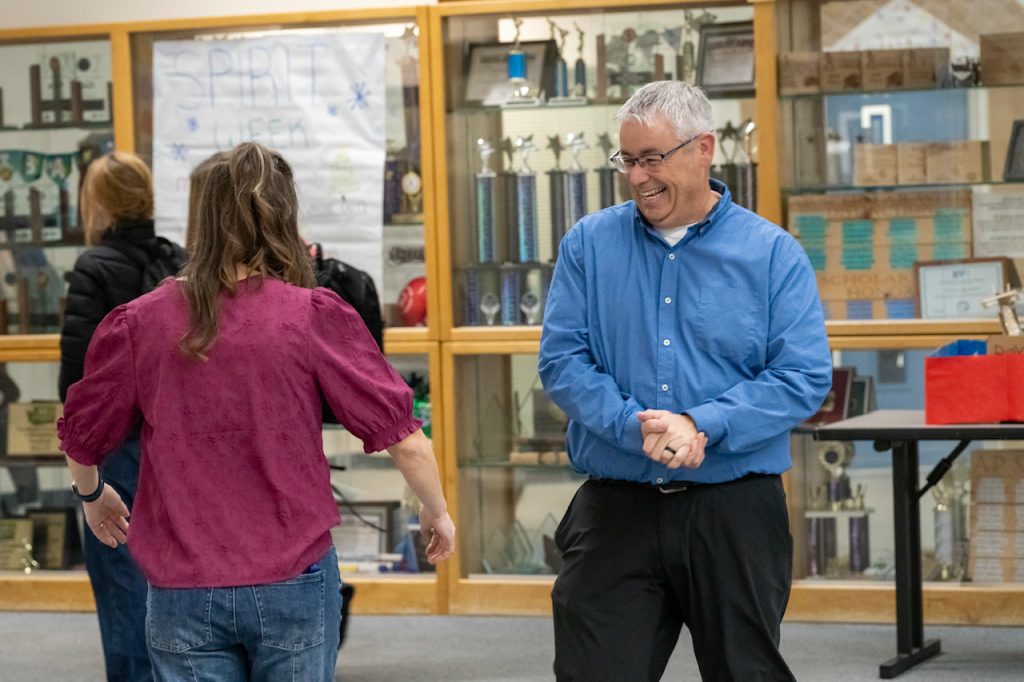 One of the greatest influences on my leadership has been the trust and support I’ve received from two outstanding superintendents, Brian Talbott and Jeff Baerwald. Both of them have allowed me the autonomy to lead and to pursue ideas that I believed would benefit our students. They have consistently encouraged innovation and supported the work of our staff. I often joke that they either truly believed in me and our incredible team at Lakeside, or they simply didn’t want to keep listening to me advocate and push for new ideas. Either way, that trust created space for meaningful growth and progress in our school.
Remaining in the same community for this length of time has also allowed me to build strong, lasting relationships with students, staff, and families. Culture is not something that can be built overnight. Over time, we have developed a culture at Lakeside centered on trust, collaboration, and a shared belief that our students deserve great opportunities regardless of background or school size. Longevity has allowed me to see initiatives through, refine them, and grow alongside our staff. It has also allowed me to watch students and families come through our doors year after year, which continually reinforces the importance of stability, consistency, and a clear vision.
At the same time, I never wanted to become a small-school principal who operated on an island. Early in my career, I intentionally sought out a broader professional team, which I found through the Association of Washington School Principals (AWSP). Being actively involved in AWSP and taking on leadership roles within the organization has been incredibly important to my growth. It has connected me with outstanding school leaders across the state, pushed my thinking, and given me opportunities to bring new ideas and practices back to Lakeside. That network has ensured that while I have remained rooted in one school community, my leadership has continued to grow and evolve in ways that ultimately benefit Lakeside students.
Inclusion & School Culture
Lakeside is recognized as a demonstration site for Inclusionary Practices. What does “all means all” look like in action at your school?
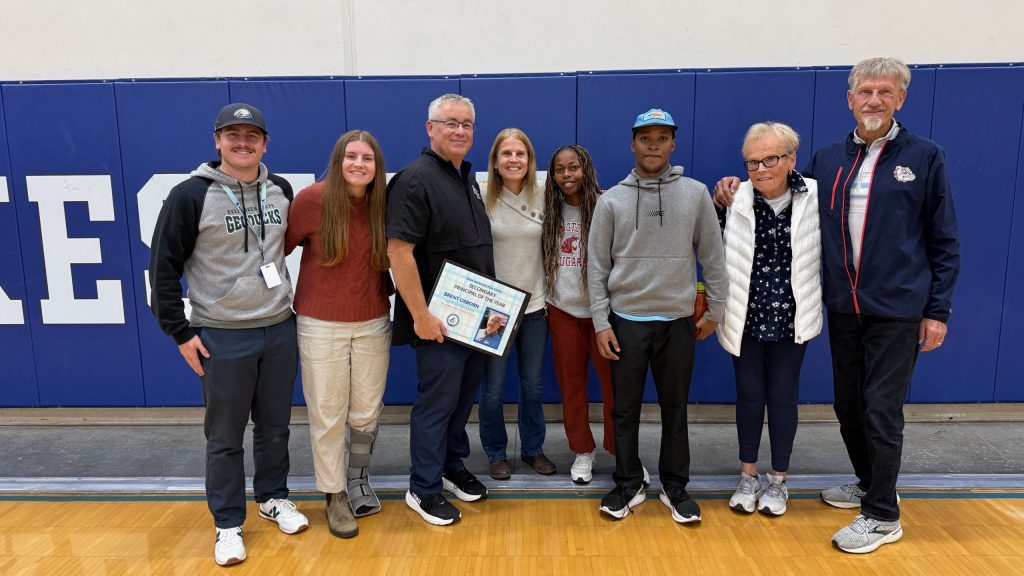 At Lakeside High School, “all means all” means that every student belongs in the general education environment with their peers while still receiving the individualized support they need to succeed. Our goal is not simply placement, but meaningful inclusion. We intentionally design our systems so that students with disabilities learn alongside their classmates as much as possible, while our staff collaborates to ensure the appropriate supports, accommodations, and instructional strategies are in place. This commitment is reflected in our data, our Least Restrictive Environment (LRE 1) rate consistently remains above 80%, and we currently have no students placed in LRE 3 settings. That reflects a deliberate effort to keep students connected to peers, rigorous instruction, and the broader school community.
This work is possible because of the professional learning our staff has embraced. Every staff member at Lakeside has been trained in inclusionary practices and Universal Design for Learning (UDL), helping teachers design instruction that anticipates and supports a wide range of learner needs. This year, we also deepened that work when eight of our teachers participated in a three-day residency with Dr. Yemi Stembridge focused on culturally responsive and rigorous instruction. That experience pushed our team to think critically about how we can create classrooms where high expectations, belonging, and access exist for every student.
Importantly, “all means all” extends beyond the classroom walls and into the culture of our school. We have worked intentionally to build a student culture where inclusion is visible and celebrated. Our Unified Athletics program has been recognized nationally as a Unified Champion School, and our Best Buddies chapter has grown to become the largest in the state of Washington. These programs create authentic relationships between students of all abilities and help reinforce the belief that every student at Lakeside belongs. When students walk through our doors, they see a community where differences are embraced and where inclusion is simply the way we do school.
Student Voice & Belonging
Student voice appears to play an important role at Lakeside. How do you ensure students feel heard and included in shaping the culture and direction of the school?
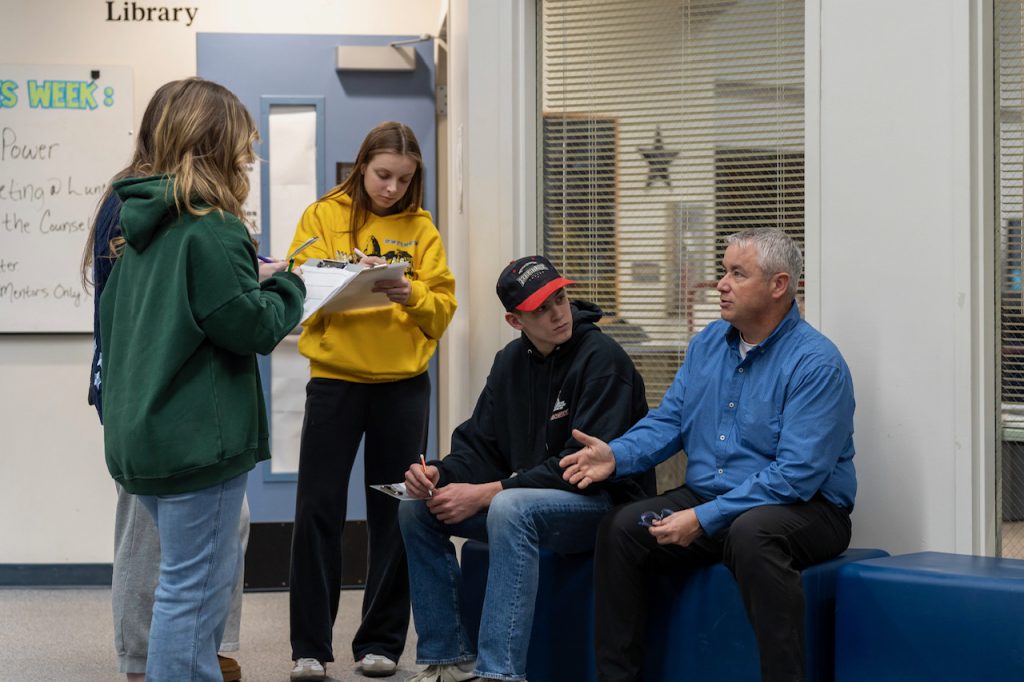 Student voice plays a huge role in shaping the culture at Lakeside High School, and I often remind people that recognition like the Principal of the Year award is not really about something I have done individually. It reflects the work of an incredibly committed group of Lakeside teachers and staff, who believe deeply in empowering students. Our staff works intentionally to create an environment where students are not just participants in school life but active contributors to it.
One of the ways we do this is by building strong student leadership structures. We have a very involved and interactive leadership network that includes ASB officers, class officers, club leaders, and students enrolled in our leadership class. Those groups meet regularly, share ideas, and take real ownership over school initiatives and events. Because of that culture, students at Lakeside are highly engaged. Over 80% of our students participate in a club, sport, or activity. Kids do things at Lakeside. And when students are actively engaged in their school, they naturally want a voice in shaping it. Our job as adults is to listen and provide the space for that voice to matter.
A great example of this happened this year with our LHS Honor Society students. They approached us with an idea to host a community STEM Night. Rather than directing the project, we let them run with it. They organized the event, coordinated presenters, and built the entire experience. In March, we hosted a STEM Night with 36 hands-on STEM tables and more than 200 elementary students attending from across the community. It was a huge success, and it was entirely student-driven. Moments like that reinforce something I strongly believe: kids are amazing, and if you create the opportunity and then get out of their way, they can accomplish incredible things.
Equity & Opportunity
What are some of the barriers students in rural communities face when planning for life after high school, and how can schools help address those challenges?
Students in rural communities often face barriers that can make planning for life after high school more challenging. Access is one of the biggest issues: access to advanced coursework, access to career training opportunities, and sometimes even access to clear information about the pathways available after graduation. Transportation, distance from colleges or industry partners, and limited program availability can all create obstacles that larger urban schools may not experience in the same way.
My belief is that it starts with a mindset: we can’t allow those barriers to become excuses. In small schools, if something is good for kids, we have to find a way to make it happen. At Lakeside High School, we have been very intentional about expanding opportunities despite being a school of only about 500 students. For example, we currently provide students with access to more than 190 college credits on our campus through a combination of dual credit and college partnerships, likely the most available at any high school in Eastern Washington. That level of access allows our students to begin college coursework while still in high school and significantly reduces both cost and transition barriers after graduation.
We also work hard to align our programs with the realities of our regional economy. Our area has a strong workforce presence in warehousing, shipping, and logistics, so this year, we used grant funding to launch a new heavy equipment course designed specifically for those industries. Students in that program can graduate with multiple industry-recognized certifications that prepare them directly for employment or further training. Ultimately, supporting rural students means being creative, building partnerships, and refusing to accept that geography should limit opportunity. Our goal at Lakeside is to ensure that every student, no matter where they come from, has meaningful options when they walk across the graduation stage.
Preparing Students for Life After High School
From your perspective as a principal, what role do high schools play in helping students prepare for life after graduation, particularly when it comes to postsecondary education?
From my perspective as a principal, helping students prepare for life after graduation is the job. At Lakeside High School, I tell our students all the time that they are not graduating from Lakeside, they are graduating to something else. A high school diploma alone is not the end goal. I’m very direct with our students that what I have to offer them in high school is not enough by itself. Every student who leaves Lakeside needs to be engaged in something beyond high school, whether that is a two- or four-year college, trade school, military service, or an apprenticeship. Our responsibility as a high school is to help students discover those pathways and take the steps necessary to get there.
To make that expectation real, we have built systems that ensure students actually move forward with a plan. At Lakeside, every senior completes an application to at least one postsecondary institution. For us, it is typically Spokane Community College, Spokane Falls Community College, Eastern Washington University, or Washington State University. At the same time, we run a very targeted and supportive effort with students and families to complete the FAFSA. We host events, provide one-on-one help, provide incentives, and make sure families understand how financial aid works. When you combine a completed college application, a submitted FAFSA, and strong pathway advising with students, it almost always leads to a solid and achievable post-graduation plan.
That intentional approach has produced strong results. This year, our FAFSA completion rate is over 70%, which places us among the highest in the state. But more importantly, it means that the majority of our students have unlocked financial aid opportunities that make their next step possible. Ultimately, the role of a high school is to open doors and help students walk through them. Our goal at Lakeside is that when students cross the stage at graduation, they already know where they are headed next or they possess the key for the door when they are ready to open it.
Postsecondary Pathways
Lakeside has expanded access to dual credit opportunities. Why are programs like dual credit important, especially for students in rural communities?
Dual credit programs are incredibly important, particularly for students in rural communities, because they expand access to opportunities that might otherwise be limited by geography or resources. Research consistently shows that one of the greatest predictors of postsecondary success is the rigor of a student’s high school coursework. When students take challenging classes in high school, especially college-level coursework, they build the academic confidence and skills needed to succeed after graduation. At Lakeside High School, we encourage all students to stretch themselves academically because growth happens when students are challenged.
That belief is reflected in our participation rates. Traditionally, more than 70% of our juniors and seniors are enrolled in college-level English and History courses, and about 85% of our seniors are taking a college-level math class. Those experiences give students a real understanding of college expectations while they still have the support of their high school teachers. While we offer a wide range of dual credit opportunities, we are very intentional about helping students choose the courses that are the right fit for them. That happens through a deliberate and thoughtful advising and course registration process, where students and families receive guidance about pathways, workload, and long-term goals.
We also pay particular attention to mathematics. While not every student will choose to attend college or a university immediately after high school, one of the greatest barriers for students who later decide to pursue higher education is math placement. If students step away from math for too long, it can become a significant hurdle when they return to school. That’s why every student at Lakeside takes four years of math, and most of our students graduate having already completed a college-level math course. Our goal is to keep doors open. Whether students choose college right away, enter the workforce, or pursue another path first, they leave Lakeside academically prepared and positioned to access future opportunities.
Career Exploration & Workforce Connections
Most jobs which will be available in Washington by 2032 will require education or training beyond high school. How can schools help students connect their interests to real-world opportunities and career pathways?
As we look ahead to the workforce in Washington by 2032, it’s clear that most jobs will require education or training beyond high school. Schools play an important role in helping students understand those opportunities, but I also believe our responsibility goes beyond preparing students for a single job pathway. The reality is that many of the jobs today’s students will hold don’t even exist yet. Because of that, preparation around one specific career is less important than helping students develop the ability to “upskill,” to continue learning, adapting, and building new skills throughout their lives.
At Lakeside High School, we intentionally teach students about the concept of upskilling through our advisory program. We talk with students about what it means to continuously build their knowledge and skills as the economy and workforce change. The ability to upskill comes from having a strong academic foundation, particularly strong analytical and verbal skills through reading and writing, along with mathematical reasoning and problem-solving skills. When students graduate with those abilities, they are prepared to adapt, retrain, and pursue new opportunities as industries evolve.
At the same time, we make sure students are exposed to real-world career pathways while they are in high school. Career connections are built into many of our courses, but our Career and Technical Education pathways are especially strong and diverse. Through those programs, students gain hands-on experiences, industry knowledge, and sometimes certifications that help them see how classroom learning connects to the world of work. Ultimately, our goal is to help students both discover their interests today and build the skills that allow them to grow into the opportunities of tomorrow.
Supporting Educators
Your staff are encouraged to take risks and try new approaches in the classroom. How do you create a culture where educators feel supported to innovate and grow?
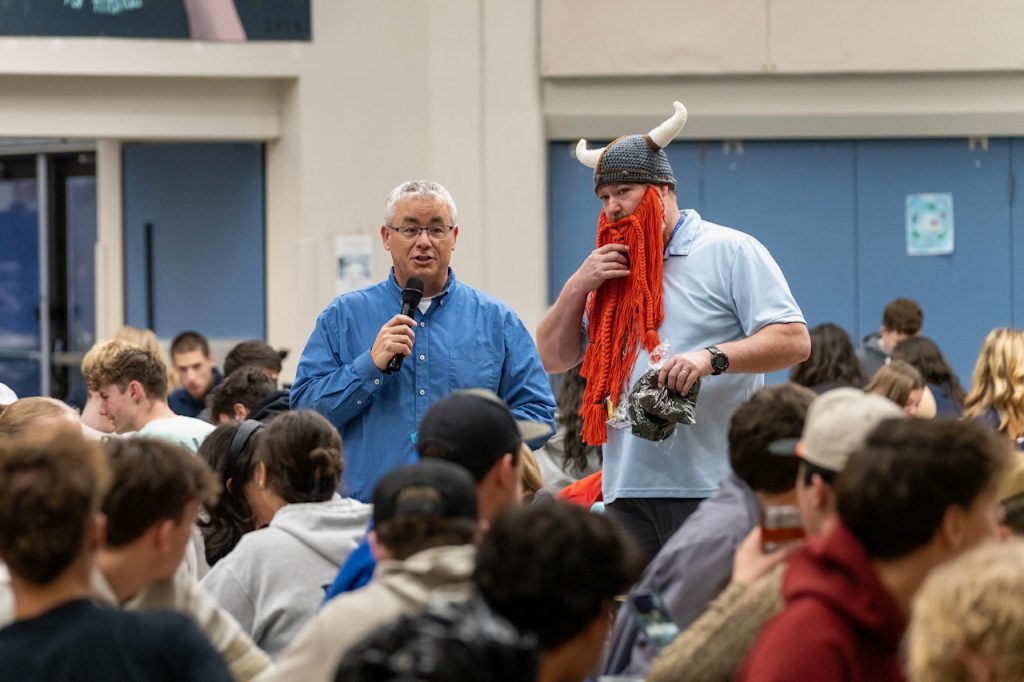 Creating a culture where teachers feel safe to innovate really starts with humility and trust. Throughout my career I’ve been fortunate to have some incredible mentors, none more influential than my teaching mentor Randy James and my principal mentor, Dr. Steven Gering. One of the most important lessons Randy taught me early in my career was to check your ego at the door. When you walk into a classroom without ego, it’s never about you, it’s always about the kids. I carried that mindset as a teacher, and I still carry it today as a school leader. At Lakeside, the work we do is about students, not about protecting ideas or titles. Because of that, I want to hear every idea our staff has. If someone has a vision for doing something amazing for kids, my role is to listen and help make it possible.
The second piece of advice I hold onto came from Dr. Steven Gering, who used to say, “You have to let your lead horses run.” When you have passionate, fired up teachers who want to try something new, you have to give them the space to go for it. That means encouraging innovation, supporting thoughtful risk-taking, and understanding that growth sometimes comes through experimentation. When educators feel trusted to try new approaches and push their practice forward, that’s when the most exciting things begin to happen in a school.
At Lakeside, that philosophy has helped us build a culture where teachers feel empowered to grow professionally and creatively. Our staff knows that if an idea is centered on improving opportunities for students, they will have support to pursue it. Some of our best programs and initiatives have come directly from teachers who were willing to think differently and try something new. When you combine talented educators with trust, encouragement, and a shared focus on what is best for kids, innovation becomes a natural part of the school culture.
Engaging Families
Families play an important role in helping students think about their futures. How does Lakeside High School work to engage families in conversations about postsecondary planning and career pathways?
Engaging families in conversations about life after high school is incredibly important, and I’ll be honest, this is an area where I believe I can continue to grow as a leader. Schools everywhere are trying to figure out the best ways to involve families in meaningful conversations about postsecondary planning. At Lakeside High School, we’ve made a conscious decision to lean into some practices that other schools have moved away from because we believe they create authentic engagement between students, families, and the school.
One example is our commitment to student-led conferences. All of our 9th and 10th grade students participate in student-led conferences where they present directly to their families about their academic performance, growth, goals, and aspirations. These conversations help students take ownership of their learning while also bringing families into the process of thinking about the future. By having students explain their progress and goals themselves, families get a much clearer picture of where their child is headed and how they can support them.
We carry that idea even further with our seniors. Every 12th grader at Lakeside must complete a Senior Presentation, where they present their postsecondary plan to a community panel. Students talk about who they are, what they have learned about themselves during high school, and what their next steps will be after graduation. Our juniors are required to attend those presentations so they can see what the process looks like and begin thinking about their own future presentations the following year. It becomes a powerful moment of reflection and accountability as students articulate their plans publicly.
We also work to engage families earlier and more consistently throughout high school. We begin discussing postsecondary options as early as 8th grade parent night, helping families understand the pathways available to their students. From there, we host several evening events for families, including Dual Credit Information Night, Financial Aid 101, and multiple FAFSA completion nights, along with other opportunities for families to learn about college, careers, and training programs. Our goal is to make sure families feel informed and empowered so they can support their students in making thoughtful decisions about life after Lakeside.
Looking Ahead
What does being named Washington’s Secondary Principal of the Year mean to you, and what do you hope this recognition highlights about the work happening at Lakeside High School?
Being named Washington’s Secondary Principal of the Year is incredibly humbling. More than anything, I hope this recognition is seen as a testament to the incredible people who work at Lakeside High School. Every morning when I step out of my car onto the pavement of our parking lot, I’m reminded how fortunate I am to work alongside such dedicated and talented staff. The educators, counselors, support staff, and coaches in our building pour their hearts into serving kids every single day. This community and these students are truly a blessing, and this recognition really reflects the culture and commitment of the entire Lakeside team.
I also hope the award shines a light on the kind of work that is happening in schools like Lakeside across our state. The success of our students comes from a group of adults who are constantly pushing to create opportunities, remove barriers, and make school a place where students can grow and thrive. The innovations, programs, and student successes people see at Lakeside are the result of a staff that believes deeply in what is possible for kids and works tirelessly to make it happen.
Beyond Lakeside, I hope this recognition helps raise the voice of the high school principal. This is an incredibly important job, but it is also a very challenging one. Principals sit at the intersection of many expectations. We work to meet the hopes and needs of our local communities while also responding to the policies and requirements coming from the state. Often, the principal sits right in the middle trying to figure out how to implement the next ten initiatives that a legislator has added to the to-do list without additional staffing or resources. The scope and complexity of this role has grown exponentially over the past 15 years. If this recognition can help highlight both the importance of this work and the need to support school leaders, then I think it serves a purpose far beyond me personally.