 English
 Arabic
 Chinese (Traditional)
 Khmer
Khmer Korean
 Punjabi
 Russian
 Somali
 Spanish
 Vietnamese
Below is our interview with Washington School Counselor of the Year Stefa Chow. Thanks to our friends at WSCA for helping us bring this Q&A to life!
General
- To start, can you introduce yourself and share your role at Juanita High School?
Hello, my name is Ms. Stefa Chow, and I am a School Counselor at Juanita High School (JHS) in beautiful Kirkland, Washington. My caseload includes our Multilingual students and students in Flex Academy, which is our new non-traditional learning environment. This will be the start of my 12th school year serving this community.
- You’ve been described as “the start point for a changed life.” How do you build the kind of trust and relationships that make that possible?
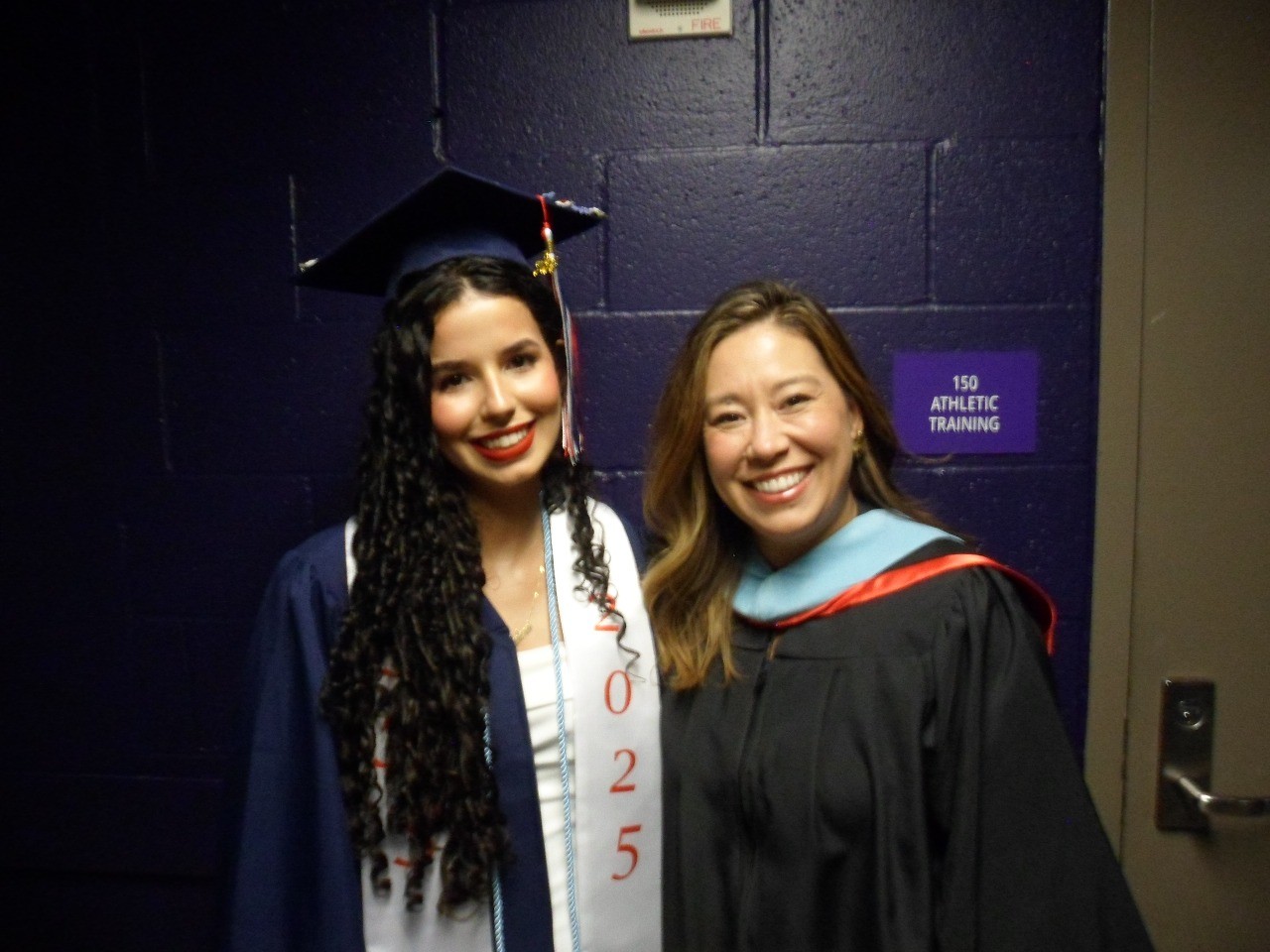 Trust grows when students know you genuinely see them. I try to be consistent, present, and patient. I do not rush their stories or brush off their feelings; I understand that they are the experts in their own lives and that I am someone they can come to if they need support. When a student walks into my office, I want them to know they do not have to have it all together and that no situation is too big or too small to talk through. I try to follow through on what I say, and I show up even on the worst of days. Over time, students begin to understand that I am someone who will stick with them through uncertainty, not just celebrate their successes. But the thing that I wish they knew is that the changed life had already started from within them. I’m usually just reminding them of their greatness.
- What did it mean to you to be named Washington’s School Counselor of the Year, and what do you hope this recognition brings to the work of school counselors across the state?
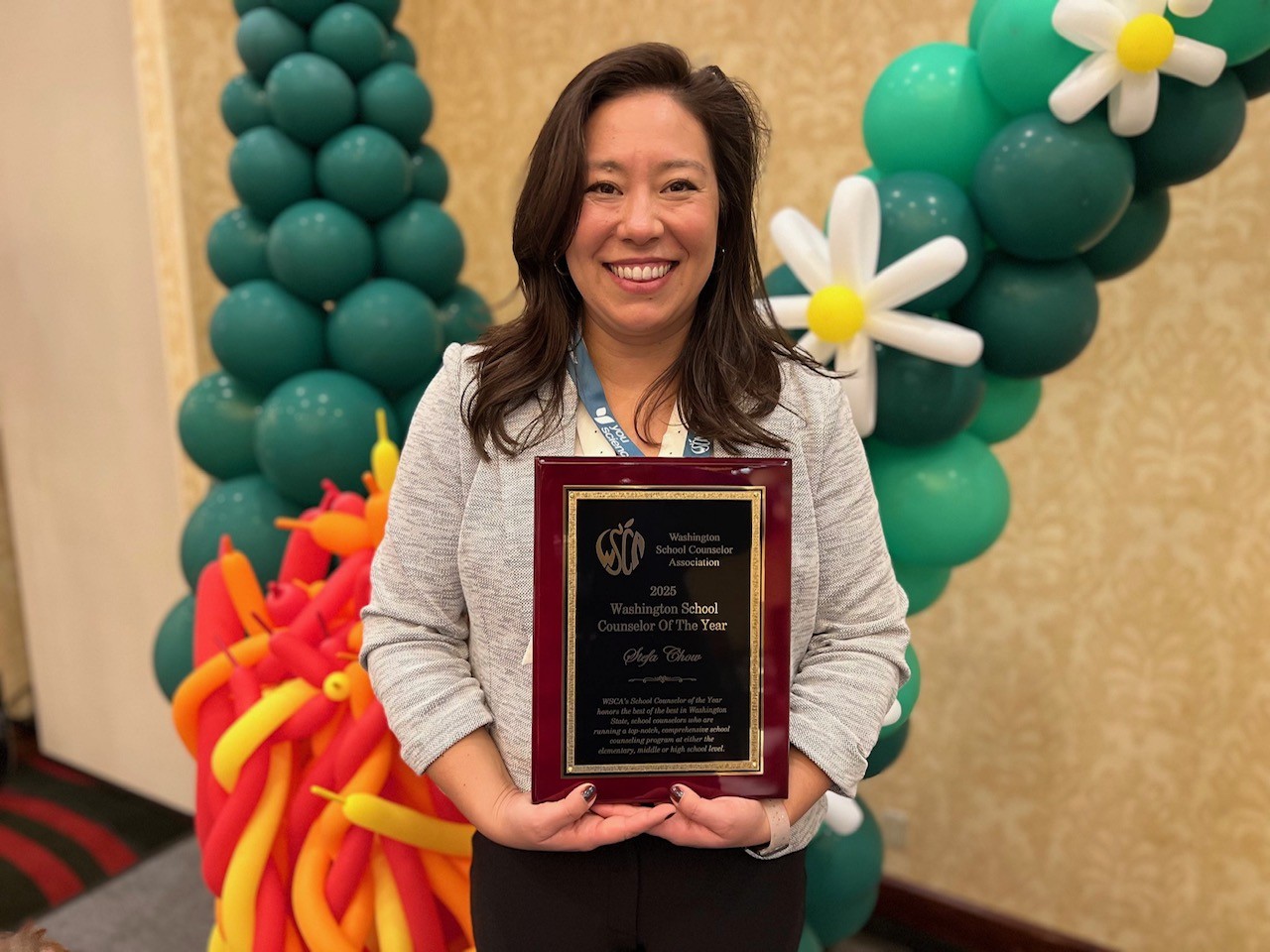
Being named Washington’s School Counselor of the Year is incredibly meaningful, not just for me but for the work of school counseling as a whole. We are often quietly doing some of the most difficult work in schools and it feels very special for that to be seen. Additionally, this recognition highlights how important it is to advocate for programs that center student voice, student need, equity, and real systems of support.
I hope this award can continue to raise awareness of the positive impact school counselors can have when they are given the time and structure to do their work fully. My hope is that it brings attention to the need for true comprehensive counseling programs across the state at all levels, as our programming can help boost access, academic success, and student growth for all students in our schools.
Postsecondary Readiness
- From your perspective, what role do school counselors play in helping students plan for life after high school, and what challenges do students face along the way?
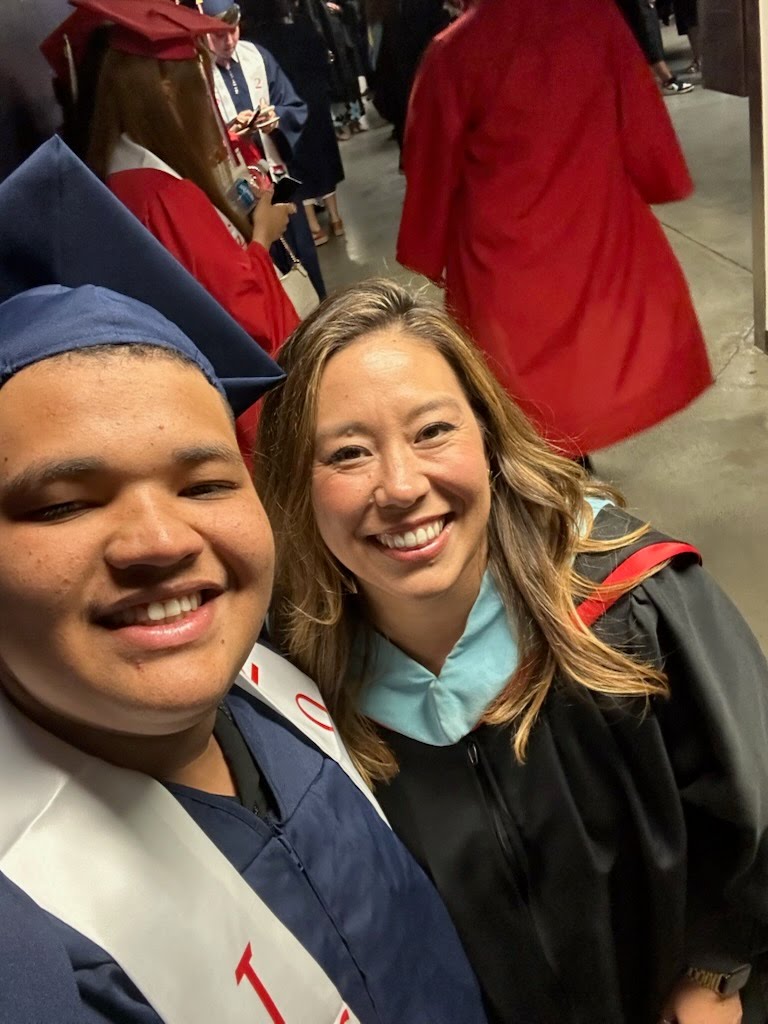 School counselors help students take something that can feel overwhelming and turn it into a clear, manageable process. We help them understand their interests, navigate stress, and make decisions that feel right for who they are. In many ways, we are helping them build confidence as much as we are helping them build a plan. One of the biggest challenges is the amount of pressure students feel to decide their future all at once. We can help them see where there is time and reinforce that these decisions are not permanent. Another challenge is the misinformation families hear about financial aid or college admissions. My role is to bring clarity, reassure them they are not alone, and help them take each step with purpose rather than panic.
- When students and families are trying to choose a postsecondary pathway, how do you help them navigate their options and find the right fit?
I guide students and families by slowing the conversation down, hearing students’ wishes and goals, and removing the barriers of the unknown. We talk about strengths, personal interests, and the kind of environments where the student feels most successful. From there, we explore all the pathways available, whether that is a two-year program, a four-year university, an apprenticeship, or a certificate. A really important factor to me is ensuring that students understand cost, commitment, and long-term opportunities. I want them to walk away knowing there is not only one correct path. The right choice is the one that aligns with the student’s goals and values. It’s also my goal to make sure students know they can always pursue their postsecondary education, even if it’s not right away.
- Can you share what the Juanita Flex Academy is and how it’s helped support students who may not thrive in a traditional classroom setting?
Juanita Flex Academy is a non-traditional learning program located at JHS and created for students whose needs are not being met in our general comprehensive high school setting. Through this program, we offer flexible scheduling, increased opportunities to build community, and greater access to resources and support. In Flex, we are able to offer faster credit opportunities to help students reach their graduation goals, and we hope to catch those who are at risk of not graduating or dropping out. Each student will have a mentor teacher and work with that mentor teacher to create a learning plan that fits the student’s needs. Flex gives them strong relationships with staff, which becomes the foundation for their academic growth and their belief that they can graduate.
Financial Aid Awareness
- Financial aid can feel overwhelming for many families. How do you support students and families in understanding and completing the FAFSA or WASFA?
My first goal is to make financial aid less intimidating and to talk about it often. I start by breaking it down into manageable ideas. It can feel so overwhelming for students and families who are unfamiliar with our postsecondary processes. When families are ready to get support, we talk about small steps and making sure they and their students never feel alone in it. We host workshops, provide individual help, and walk through the forms together. It is also very important for students and families to learn and understand the language of financial aid, what the next steps will look like, and where to continue to get support.
- What advice do you give to families who are hesitant to fill out financial aid forms or aren’t sure if they qualify?
I tell families that it is absolutely always worth applying! Some students and families assume they will not qualify, or they feel nervous about the process, but it could potentially be a huge opportunity to access education. Further, I make sure both students and families know that applying is not a commitment. They can accept or reject any portions of their financial aid. It is simply opening a door. I always hope that every one of my students understands that financial aid is one of the biggest tools to access future opportunities.
Equity & Access
- In your day-to-day work, what does educational equity look like, and how do you support students from historically underserved communities?
Educational equity in my daily work means recognizing and then removing barriers, and building systems that help every student feel seen, capable, and successful. It is noticing who is not accessing something, who is unsure how to navigate the school system, and who needs a different kind of support. It is also making sure that our policies and practices truly match what we state are our values.
- As the counselor for Multilingual Learner students at JHS, how do you tailor your approach to support their unique needs?
 As the counselor for all Multilingual Learner students, I focus on relationships, trust, and communication with families. Many students and their family members are navigating school and the school system in a new language, while also adjusting to a new country and culture. I feel it’s very important for us as a school to create access, connect students and families with community resources, and build programs that help students feel like they belong. I want every student to feel that their story is valued and understand that this helps them feel connected.
- Your needs assessment showed an 11% increase in students’ sense of belonging. What do you think made the biggest difference?
The increase in belonging came from intentional work. We brought more support into our school for English learners’ social-emotional learning (SEL) needs, created Flex as a response to academic need, and strengthened our Family Connection Center. I also focused on small group work, more classroom presence, and consistency. When students believe that adults know them, see them, and will show up when things get hard, it’s likely that a sense of belonging follows.
Career Connected Learning
- How do you introduce students to career connected learning experiences like internships or dual credit opportunities?
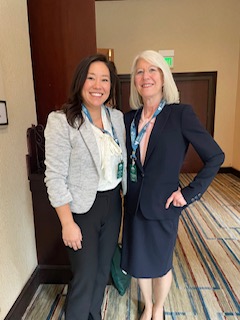 I introduce career connected learning by helping students explore interests through conversations, field trips, and real-life experiences. Sometimes students do not know what career pathways look like until they can see and understand them up close. I do feel that opening the door to curiosity can help make things feel more feasible for students. Giving them the ability to see themselves achieving these goals in the future, and that it is possible! These connections help students make decisions based on awareness rather than fear.
Engaging Families
- What advice do you have for families who want to support their students’ postsecondary journeys? How do you involve them in planning conversations?
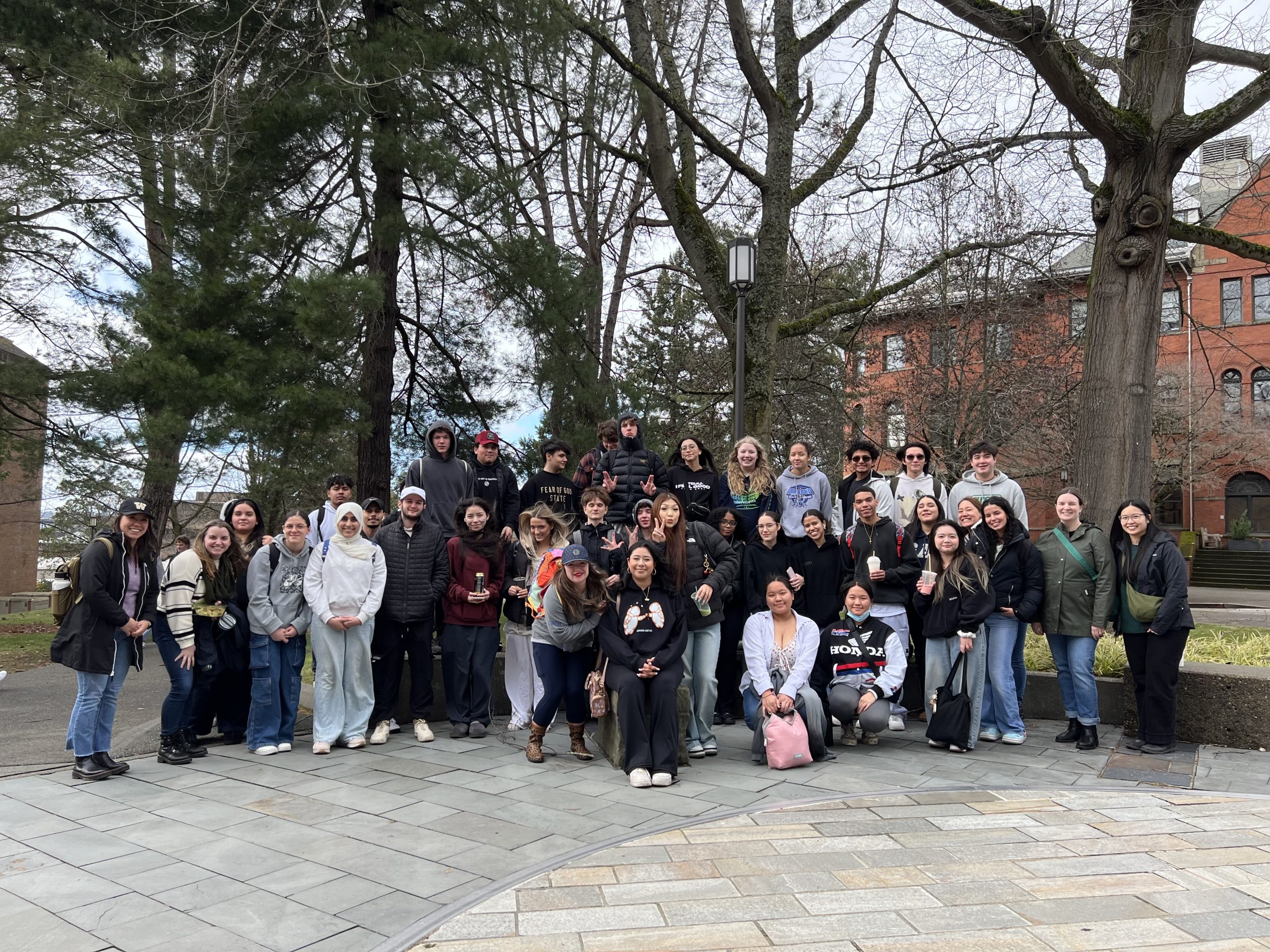 My advice for families is to stay engaged! Talk with your students about their hopes, worries, and plans. Listen more than you direct. Attend meetings, check in with teachers, and ask questions. I involve families by keeping communication open and making sure they understand every step of the planning process. I encourage questions and help them feel confident and informed.
Looking Ahead
- With over 1.5 million job openings projected in Washington by 2032—most requiring a credential—how do you help students connect their interests to real-world opportunities?
One of my favorite ways to help students connect their interests to real-world opportunities is through the hands-on approach of field trips and guest speakers. I help students think about how their interests connect to fields that are growing, and where they can fit into these areas. We look at data, talk through what earning their credentials might look like and how much it will cost, and help them understand that these credentials come through differing journeys. My goal is to help them connect their talents to real work that matters to them.
- What would you say to a student who isn’t sure what they want to do after high school?
That’s OK! And even when you think your mind may be set, it could change, and that is alright. I wanted to be a Geologist in high school, and now I have a career as a school counselor 😊. In situations such as these, I remind students that feeling uncertain is completely normal. This is why I like to focus on exploration, small experiences, and reflection. I help students notice what feels energizing and good, what feels stressful, and think about what environments help them succeed. There is no pressure to have the perfect answer, but what is important is that they keep that goal in mind and continue to take small steps toward it.
Tools
- What are your go-to resources or tools for guiding students through postsecondary planning?
 I really like to use the Plan Your Future HUB through WSAC as I’m digging to find resources, links, and options for students. And to narrow down college options, I have utilized College Board’s college search engine.
As I’m sitting with students, we are visiting websites directly, looking at college options, plans and degrees, and financial aid sites. We are looking at apprenticeship guides to show students what different pathways actually look like. And we are hopping on the FAFSA or WASFA to troubleshoot. The best and most accurate information I have found is directly through the source.